The Difference Between a Safari and

a Story of a Lifetime

Find Your Safari

Top Rated On:


Trip advisor badge
google reviews badge

Top Rated On:


TripAdvisor badge

Akagera National Park

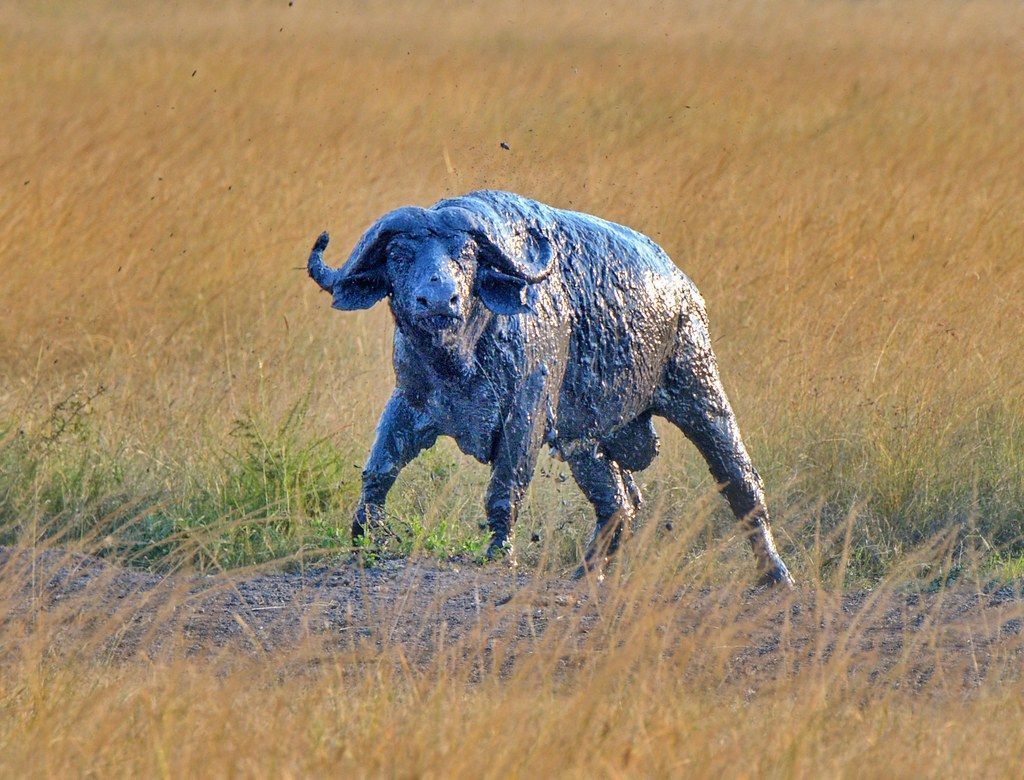
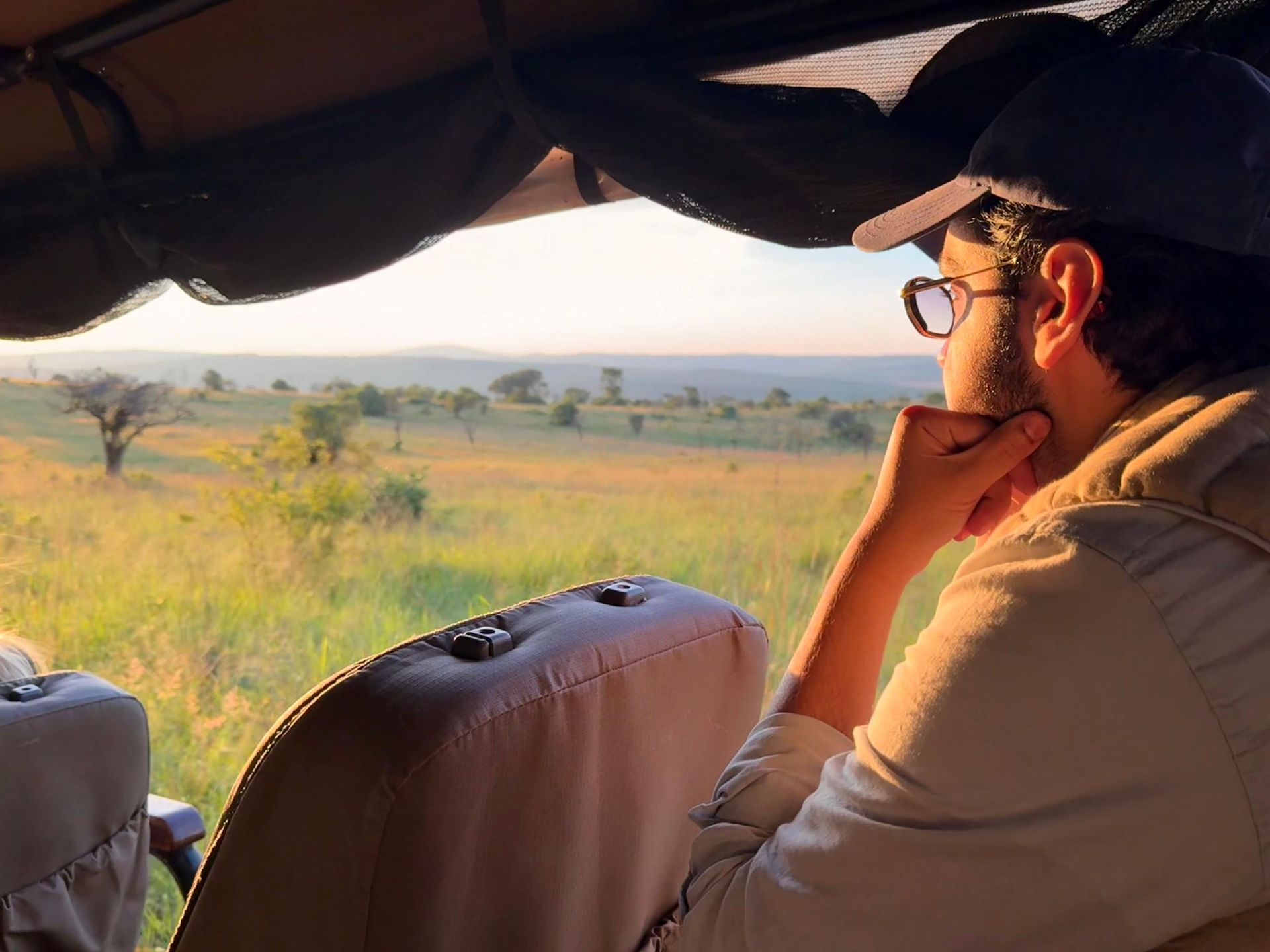
Akagera National Park is Rwanda's only savannah park and Central Africa's largest protected wetland. Established in 1934, it is home to the Big Five: lions, leopards, elephants, rhinos, and buffalo, which roam wild across four distinct ecosystems covering 1,122 square kilometres along Rwanda's eastern border with Tanzania. A birder's paradise, the park holds over 520 species including the rare and much sought-after shoebill stork.


The park is open daily, 6am to 6pm. Entrance fees are $100 per adult (international).


Akagera is one of the few places in Africa where you can see the Big Five in a single day. The southern gate is 2.5 hours from Kigali by road. Most people who visit don't have a week to spend on safari. They have a day, maybe two. Akagera is perfect for that.


If you're comparing Akagera to Serengeti or Kruger, I'll save you the trouble. Akagera will never have Serengeti's wildebeest migration or Kruger's elephant herds. It's a smaller park. Most parks give you abundance of a few species. Akagera gives you all of them and more.


Open savannah in the north where lions hunt in the open and prey stays close for the same reason: they can see the lions coming. Dense acacia woodland to the west where leopards hunt under cover and hoist their kills into the trees to keep them from hyenas.


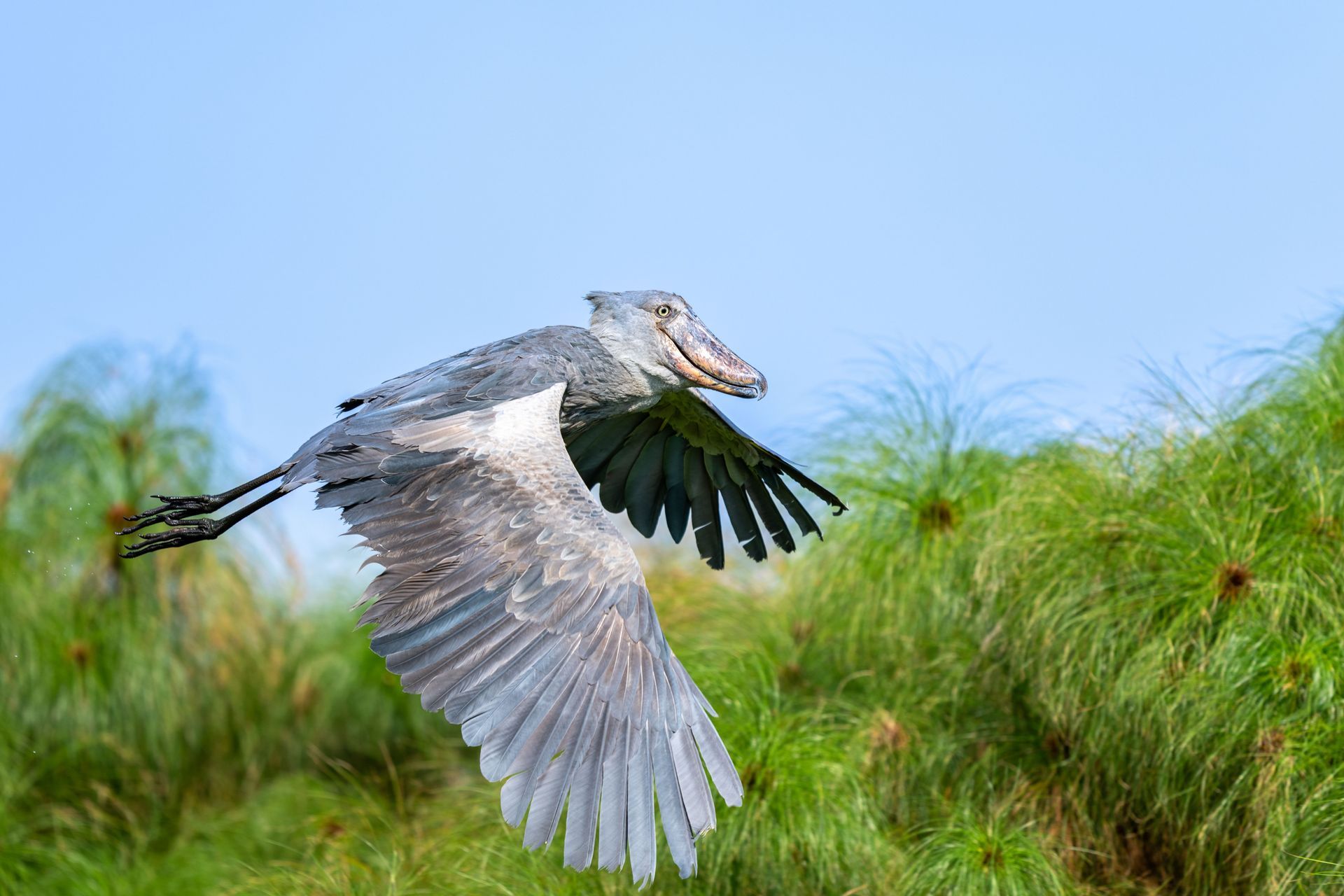
Papyrus swamp along the eastern boundary, four metres high. Home to the shoebill stork, one of the rarest birds on earth, unchanged since the prehistoric age. It stands so still you will think it is dead until it moves.


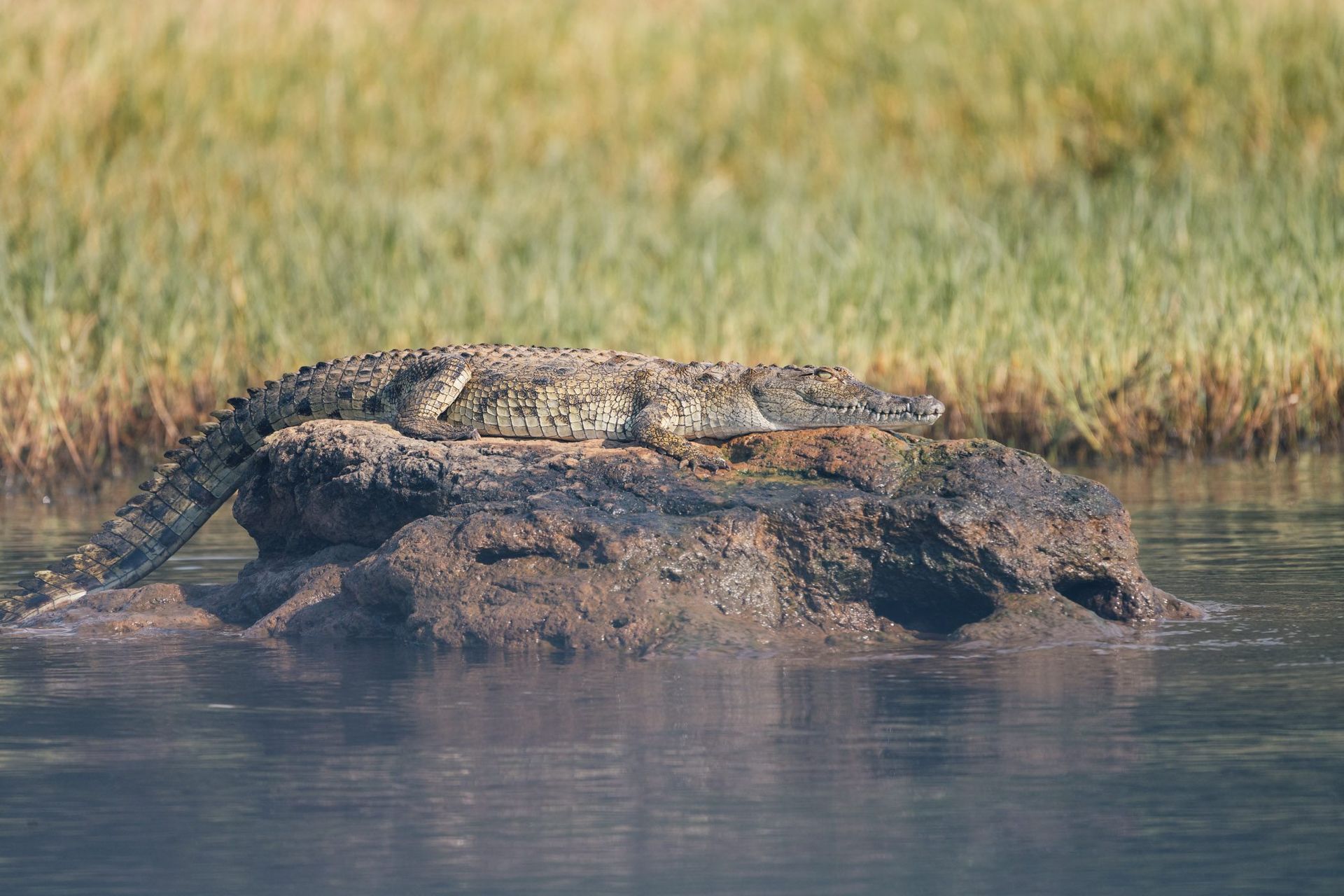
And ten lakes in the south, where Lake Ihema holds one of the highest concentrations of hippos in East Africa, shared with crocodiles, elephants, and the fish eagle whose call carries across the water before you ever see it. 


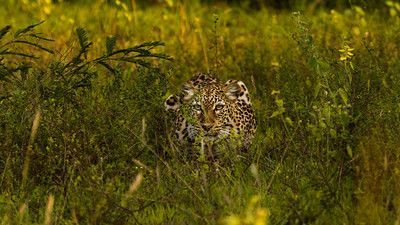
On a full-day safari you have an 80 to 90% chance of seeing four of the Big Five, depending on the season. The leopard is different. It's nocturnal, solitary, and its spotted coat makes it almost invisible. It's most often sighted in the southern woodlands. But we won't pretend otherwise. Spotting a leopard in Akagera boils down to luck.


The dry season from June through September is peak season: visibility is at its clearest and animals concentrate around water. But the short dry season from mid-December through mid-February matches it for sightings, with a quieter park and lower lodge rates.


If you want the best combination of wildlife and space, January is the answer. If the Big Five is the priority, visit in the dry season. October and November bring the strongest birding of the year as migratory species arrive from the north, mornings stay clear, and you'll have the park largely to yourself.


Inside the park, accommodation ranges from Wilderness Magashi Luxury Camp, Akagera Game Lodge and Ruzizi Tented Lodge at the mid-to-upper range, to basic campsites for budget travellers. 


None of this was guaranteed.


I've been running safaris in Akagera National Park since 2006. What changed in that time is hard to overstate. When we started, the park had under 5,000 animals and no lions, no rhinos.


After the genocide ended in 1994, Rwandans who had lived as refugees for 35 years finally came home. They needed land, they needed to feed their families, and some moved into Akagera. It was a lack of options. But the park paid for it.


Lions killed cattle, and the owners poisoned the lions in response. There had once been more than 300. The last was seen in 2001. Rhinos had been poached for three decades before that: by 2007 the last one was gone.


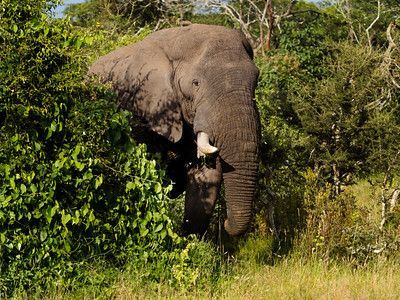
What you're visiting now is a park that rebuilt itself from almost nothing. Seven lions were flown in from South Africa in 2015. Eighteen rhinos followed in 2017. In June 2025, 70 southern white rhinos arrived, the largest single rhino translocation ever recorded. The park that had fewer than 5,000 animals when we started now holds over 13,000.


Every animal in this park is here because a country that had just lost a million of its people, on land it could not afford to spare, surrounded by communities who had every reason to take it, chose to give it back to the wild.


Akagera's story is Rwanda's story, told through its wildlife. It is a story of resilience that defies logic.


-Richard Rwabutogo, Founder, Akagera Safari. Running safaris in Akagera since 2006.

AKAGERA NATIONAL PARK SAFARI

Planning a Safari Shouldn't Be  a Gamble

Most travelers don’t know whom to trust or if they’ll see the wildlife they dreamed of. At Akagera Safari, we understand the frustration of leaving Akagera National Park without seeing what you came for.


One thing changes everything: Your Guide. With us, it’s never left to chance.


  1. Share your dream safari with us.
  2. We pair you with a guide who’s an expert in tracking what matters most to you.
  3. See what you came for. Powered by our Live Sightings Network®. We update our guides in real-time with radio + GPS backup.


You only get one chance to do this right. Don’t waste your safari on a guessing guide. You  could miss what you came for.


Our expert guides put you in the right place at the right time so you come home with unforgettable memories, stunning photos, and a safari story worth telling.


TripAdvisor's Travellers' Choice review badge for 2025

Akagera National Park

Rwanda's only Big Five park. Lions that were poisoned to extinction. Rhinos were poached out entirely. A park that lost two-thirds of its land. Today it has 72 lions, 183 rhinos, 176 elephants and received 67,661 visitors in 2025.


National Geographic named it one of The Best Places in the World to Travel to in 2026.

What happened here is not a recovery. It is a resurrection. 

This is Akagera National Park


See what a real day at Akagera looks like — Akagera National Park Photos: 1 Day Safari, Hour by Hour

Track wildlife with expert interpretive guides.

Our interpretive guides turn a safari in Akagera National Park from simple sightings into a living story. You track wildlife by reading footprints, listening to calls, and noticing subtle signs as your guide reveals their meaning. With deep knowledge of animal behavior and ecology, we help you see not just what’s there but why it matters. Every clue becomes a connection, every moment a discovery.

Don't Waste Your Safari

We Know Where the Wild things Are

One day. Four ecosystems. The Big 5.

A 1 Day Akagera National Park Safari starts In the south where you’ll find lakes and shrublands filled with hippos, crocodiles, and waterbirds. As you head north, the wetlands and open plains are the best places to spot lions and rhinos. Our guides are in the park every day and know exactly where to find the animals. Most of our guests see all of the Big 5 in just one day, and we guarantee you will too.


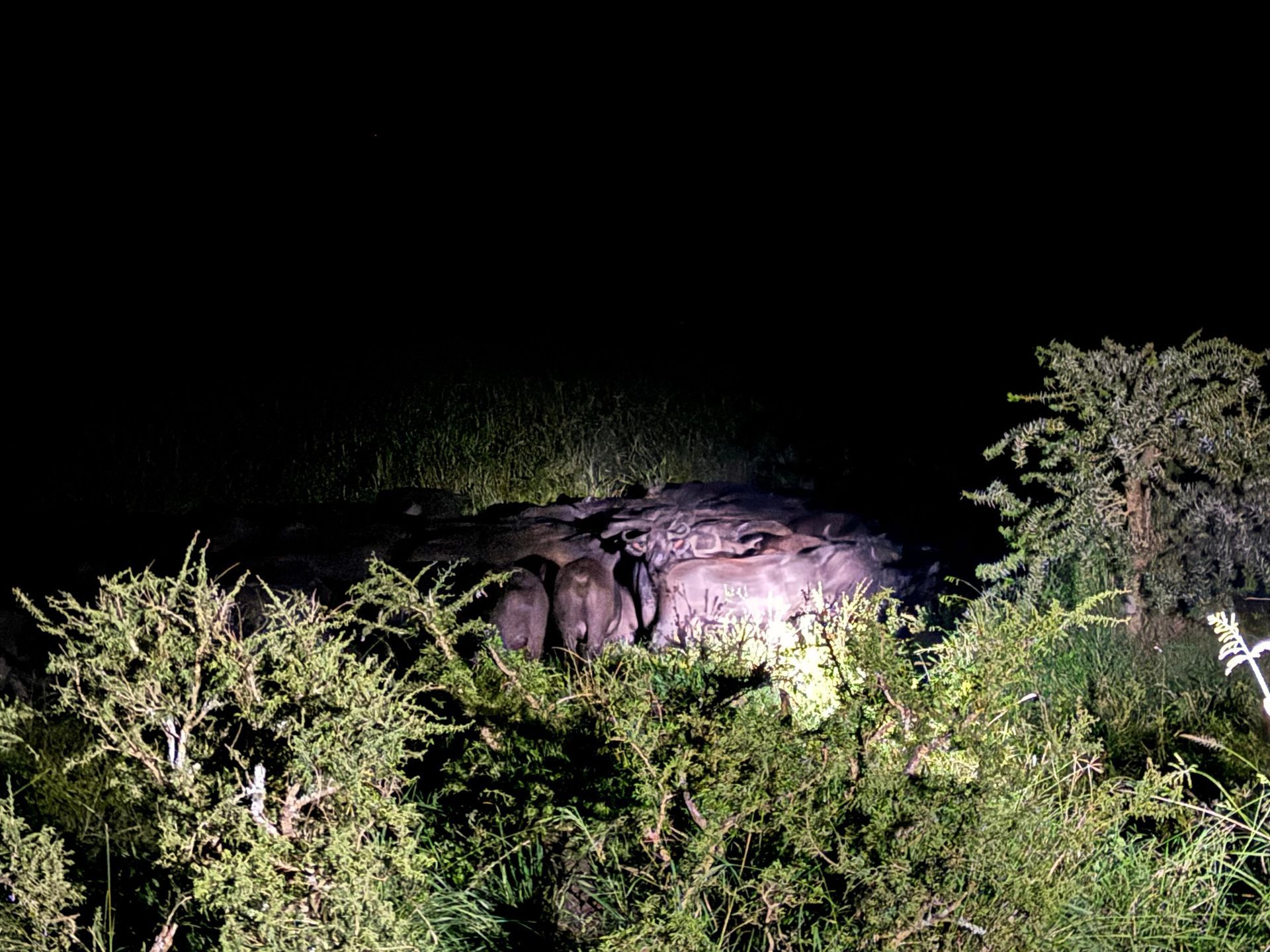
As night arrives, the park transforms.

Animals that hid from the daytime heat begin to emerge. With the help of spotlights, park rangers can spot elusive creatures such as bush babies, civets, genets, and leopards. Akagera is home to 15 to 20 leopards. Since they are active at night, this is the best time to see them.


1 Day Safari

What You Missed on Land You Just Might Find on Water

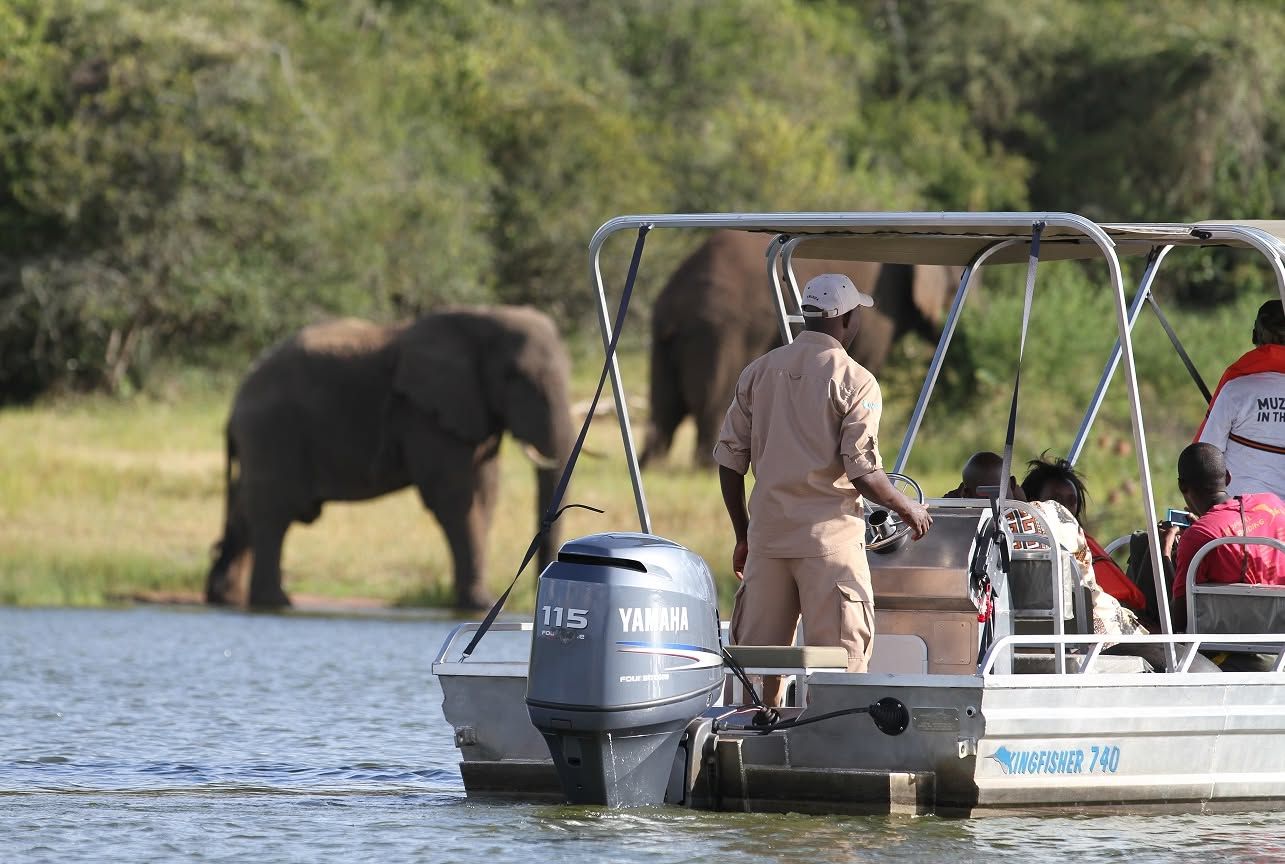
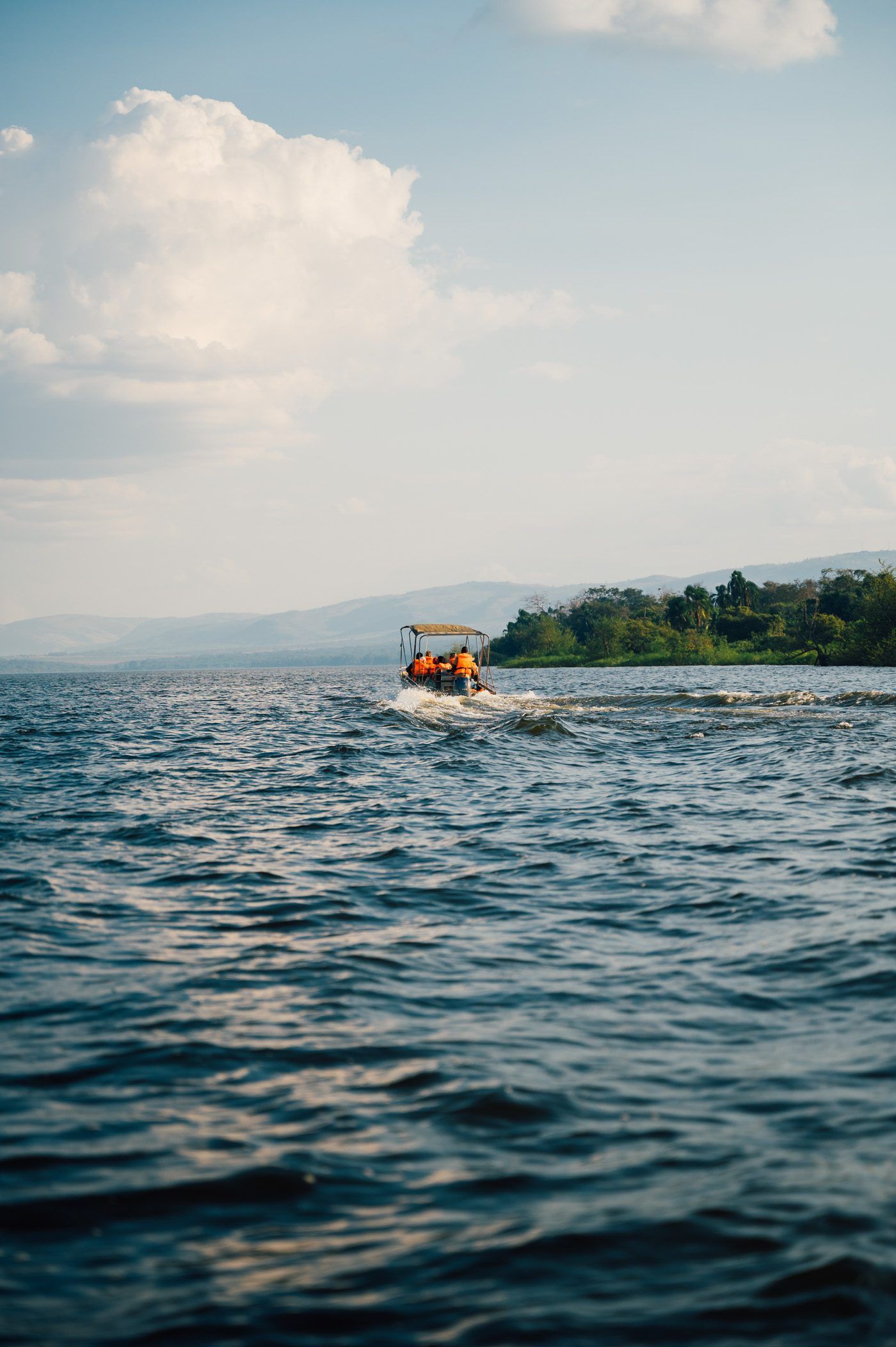
Akagera boat safaris show you what you cannot see from an open-roof safari car.

Out on Lake Ihema, Rwanda's second largest lake, wildlife appears from angles no game drive can reach. The lake is home to one of the highest concentrations of hippos in East Africa. Buffalo, elephant, and antelope come to the shore to drink. Some guests say their best sighting of the whole trip happened on the boat.


Birders cannot afford to skip the boat trip.

Akagera has over 500 recorded species, and the wetlands are home to many of the rarest. The shoebill stork is one of the most sought-after birds in the world. Morning trips give you the best odds, as shoebills feed early near the papyrus. No promises, it is the least sighted bird, but if you want a shot at it, the boat is your best chance.
2 Day Safari

Rwanda's only Group Safari to Akagera National Park

Solo travelers figured this out first. Your friends won't commit. Don't need a whole vehicle for yourself? That's why this exists. No waiting. No empty seats to pay for. No trying to convince your group chat to finally pick a date.


 Its Your Turn

Check Availability

Visitor Information


Need information to help plan your Akagera Safari?


Richard Rwabutogo, Rwanda's former Tourism Destination Manager, cuts through the noise with insider Akagera safari knowledge you won't find elsewhere. Check out travel guides, real Akagera National Park prices and fees , free maps, honest advice, and strategies that save you time and money.

Pure gold for travelers.

READ AKAGERA SAFARI BLOG
safari guide cover seen through an apple tablet and mobile phone

Featured Safaris