Things to Do in Akagera National Park
The one thing everyone does, and a must for all visitors to Akagera National Park, is the safari game drive. All other activities, boat rides, night safaris, hot air balloon flights, community visits, are optional and can be done if you have more than a day to spend in the park. The only optional activity that can be combined with a day safari game drive is a morning or afternoon boat ride. The sunset boat ride can only be accessed by overnight visitors.
Safari Game Drive
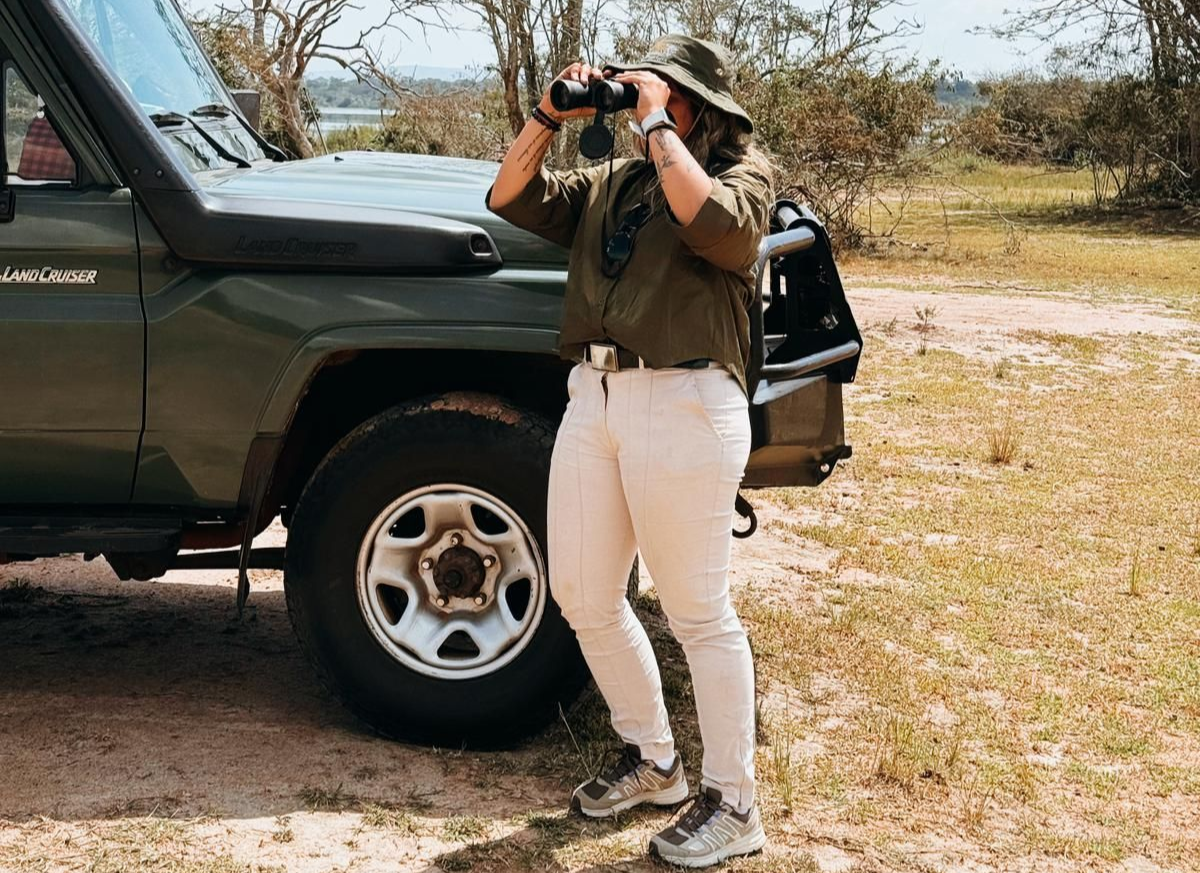
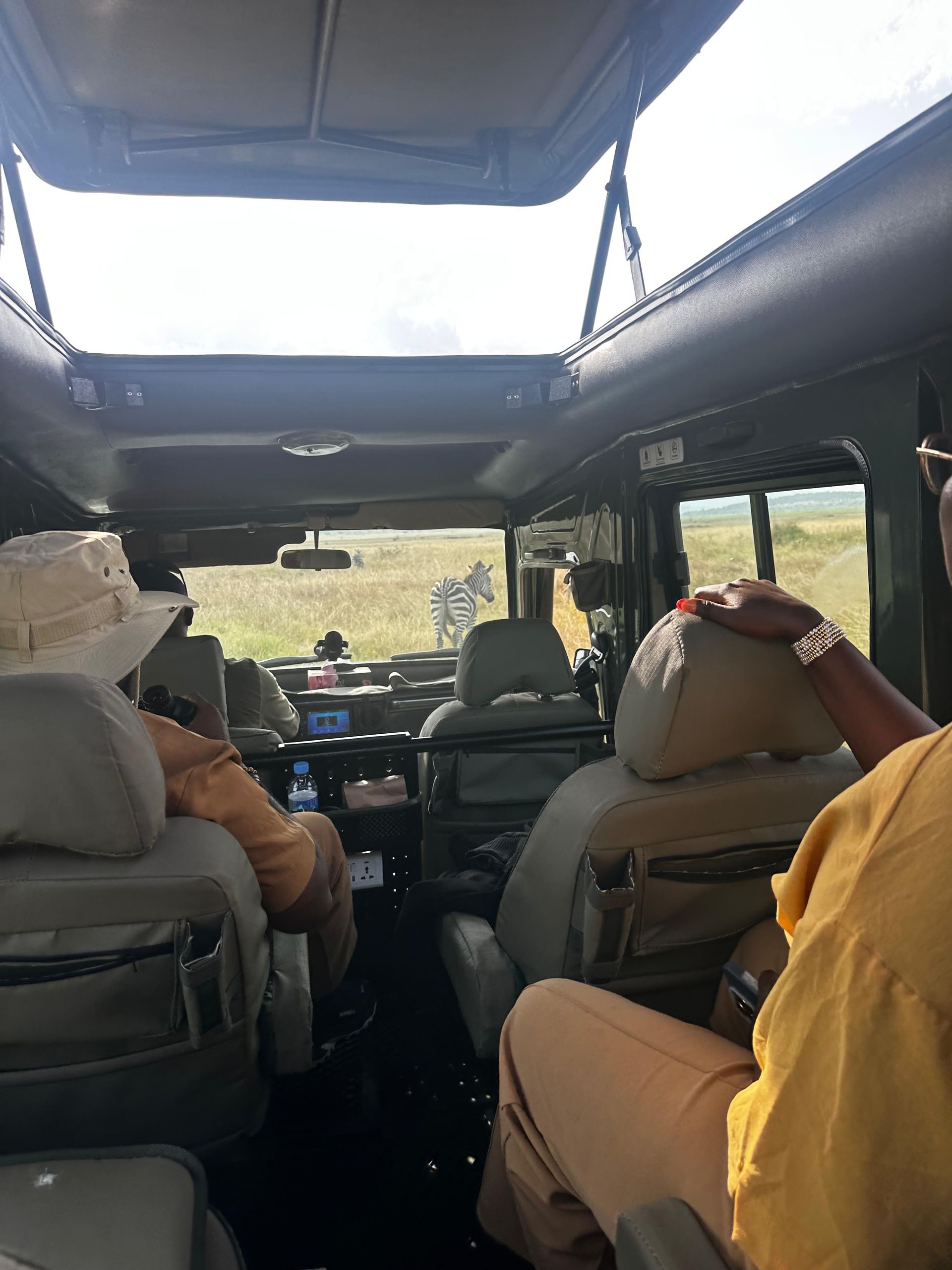
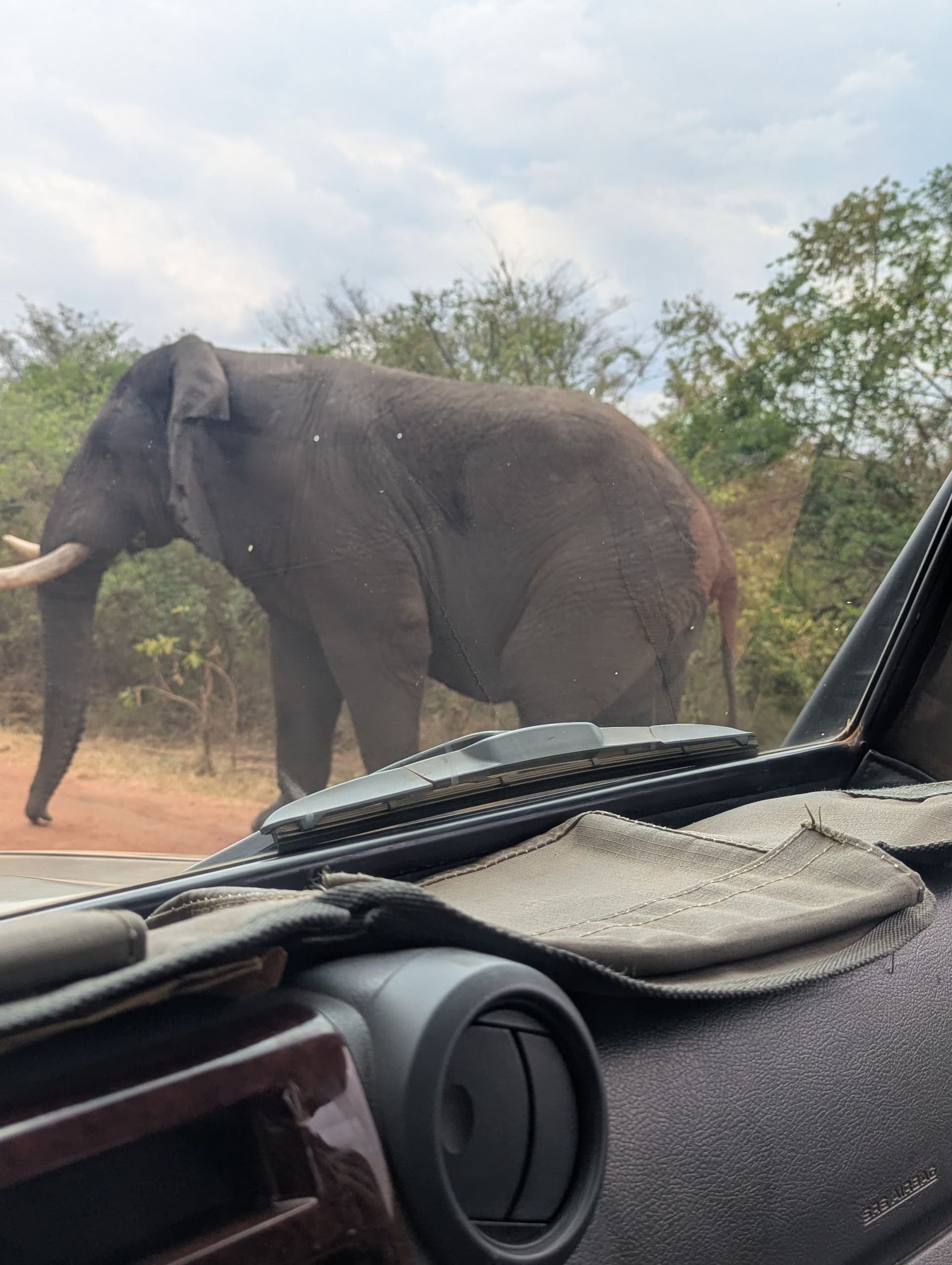
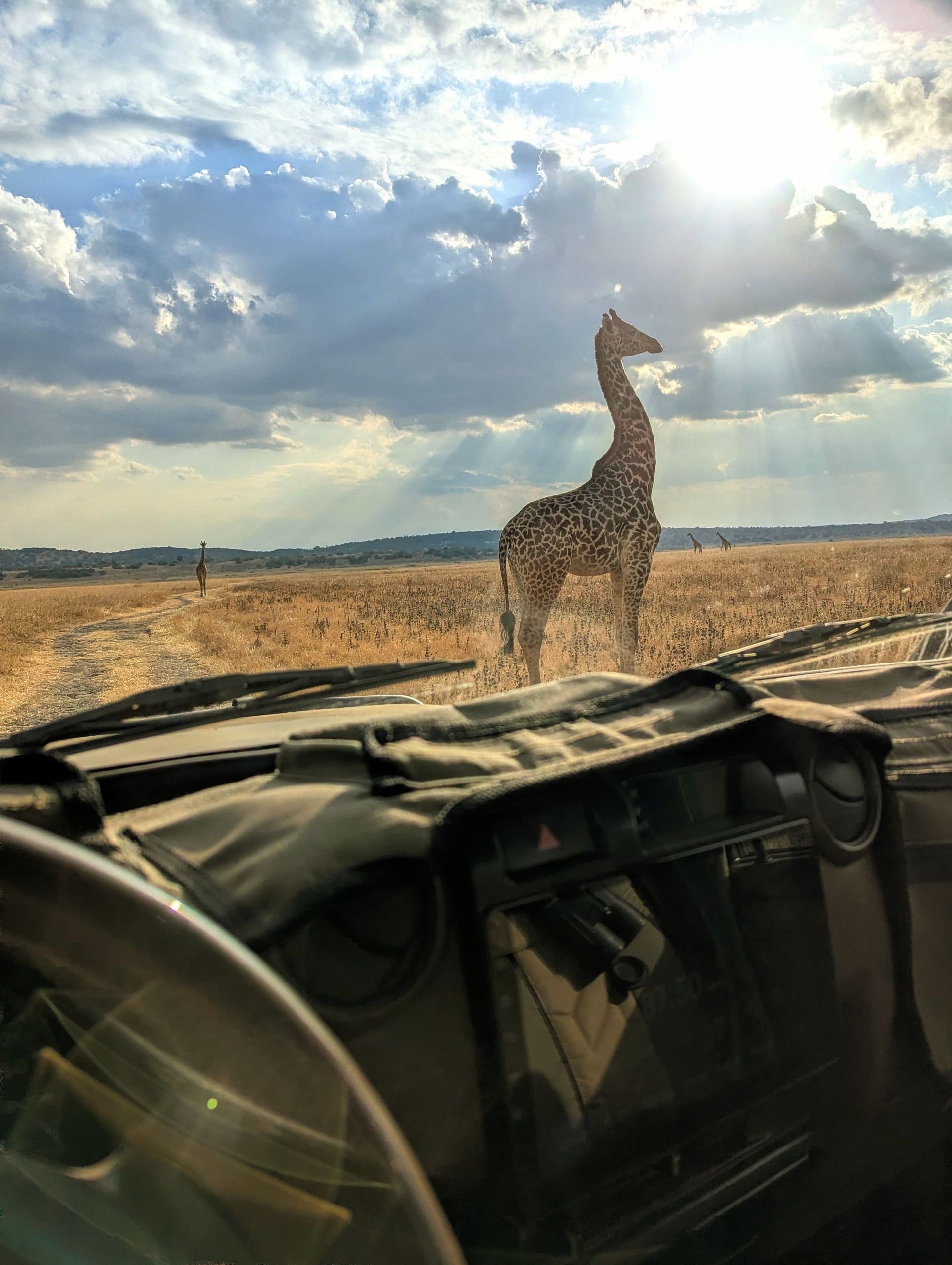
A game drive in Akagera National Park is the one thing every visitor does — it's a must, not an option, whether you have one day or more. It runs in a rugged 4x4 pop-up roof vehicle built for the park's terrain, and how long it takes depends entirely on where you sleep: up to 7 hours south-to-north for day visitors, 10 hours for those returning to a lodge inside the southern park, and 11 hours for those staying just outside the park boundary. The south is mostly woodland, acacia shrubs, and lakes, with wildlife spotted at closer range; the north is open plains where predators are easiest to see. Most visitors come chasing the Big Five — lions, elephants, buffalo, rhinos, and the elusive, nearly-invisible leopard. One major distinction between a safari game drive and a visit to the zoo is that, for a change, it's the humans who are confined while the wildlife wanders freely.
Boat Safari
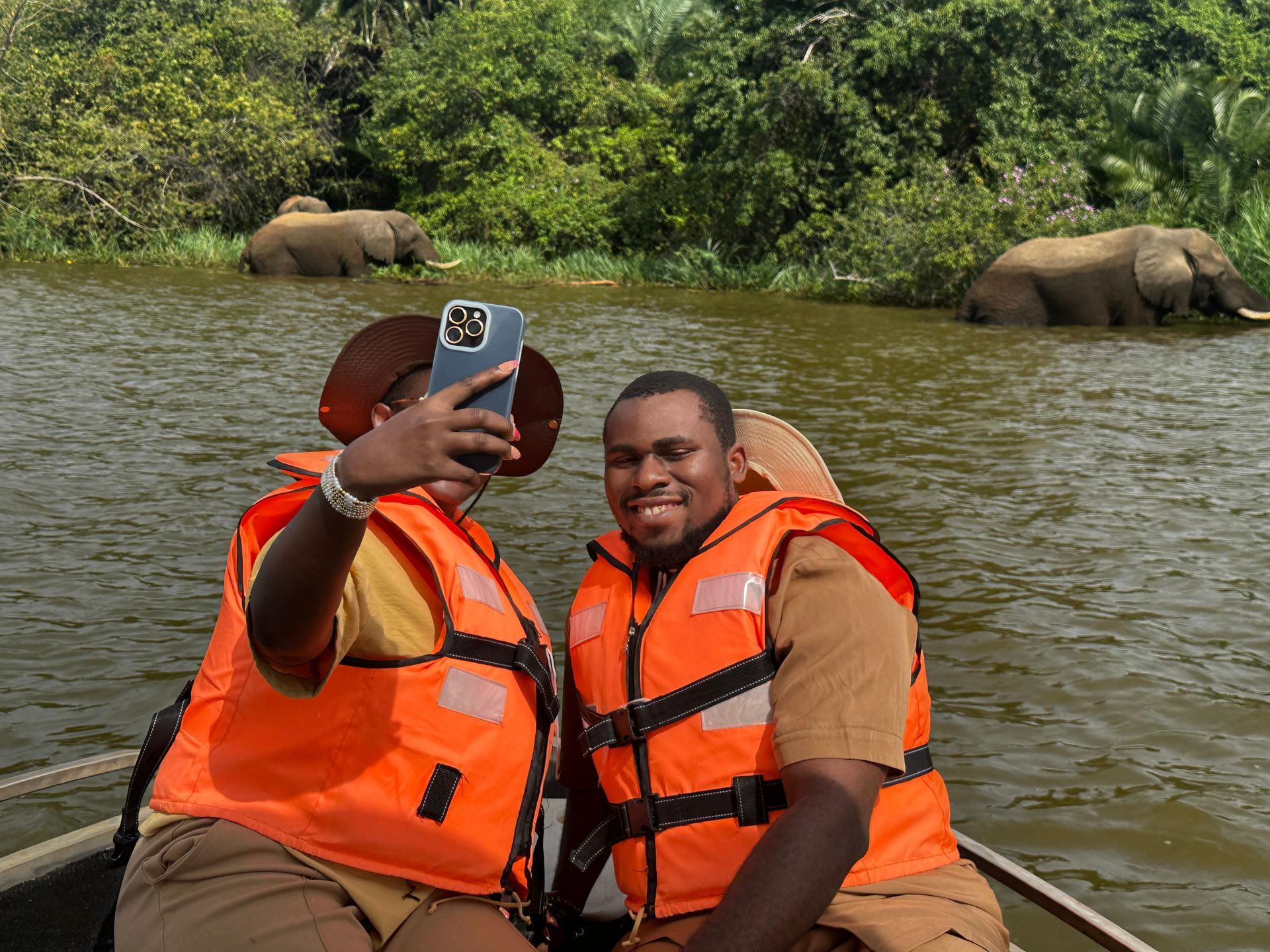
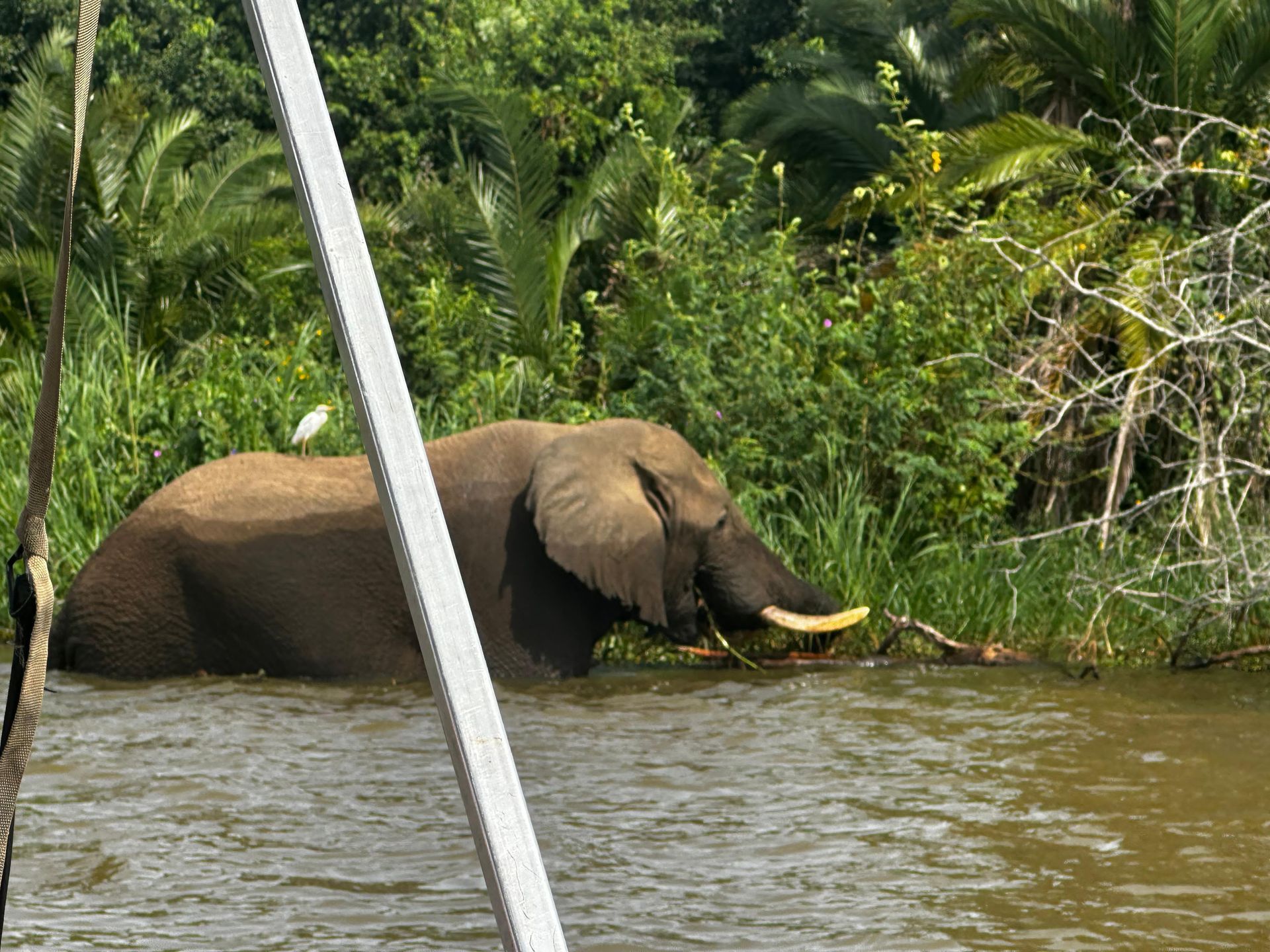
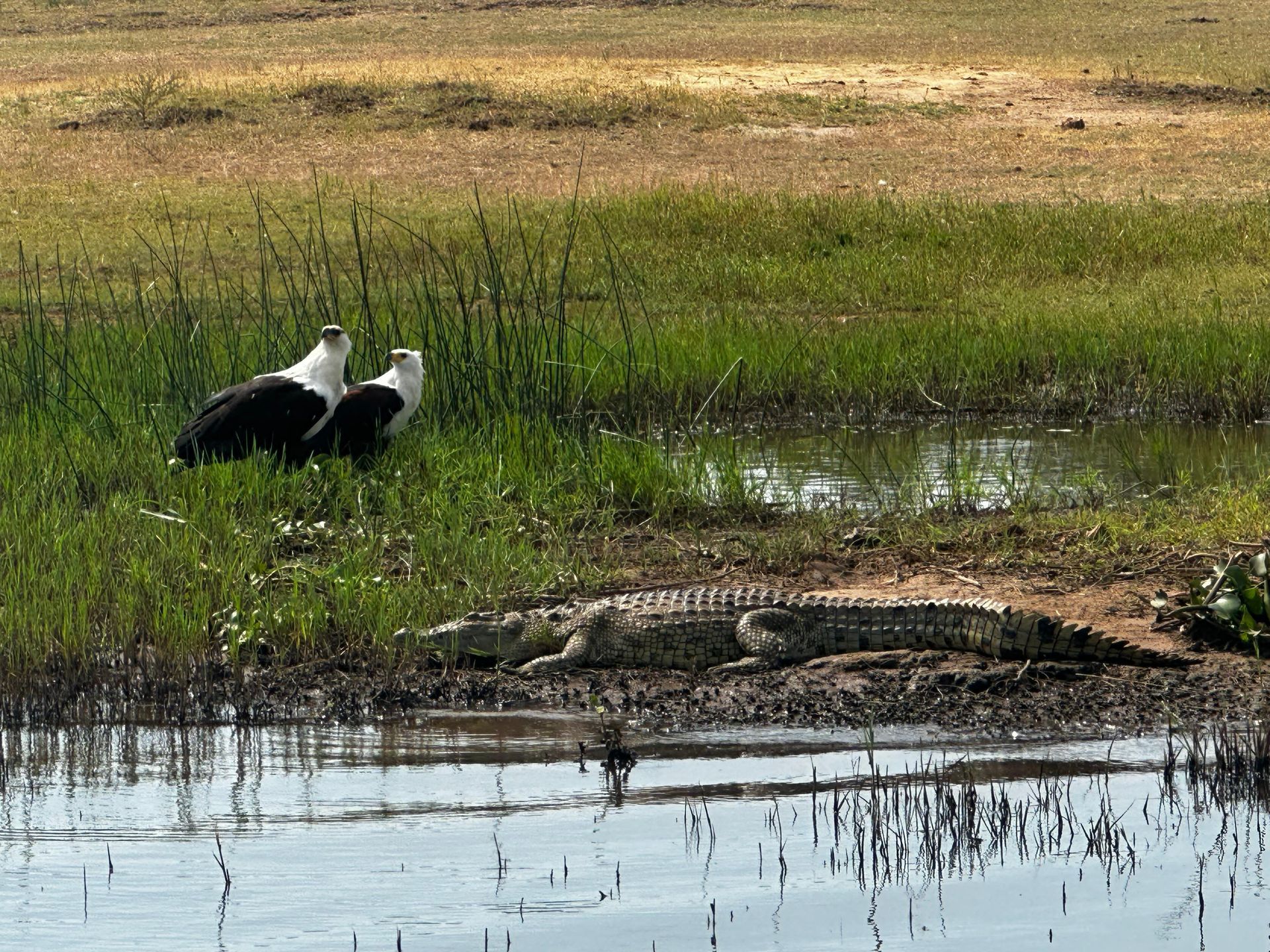
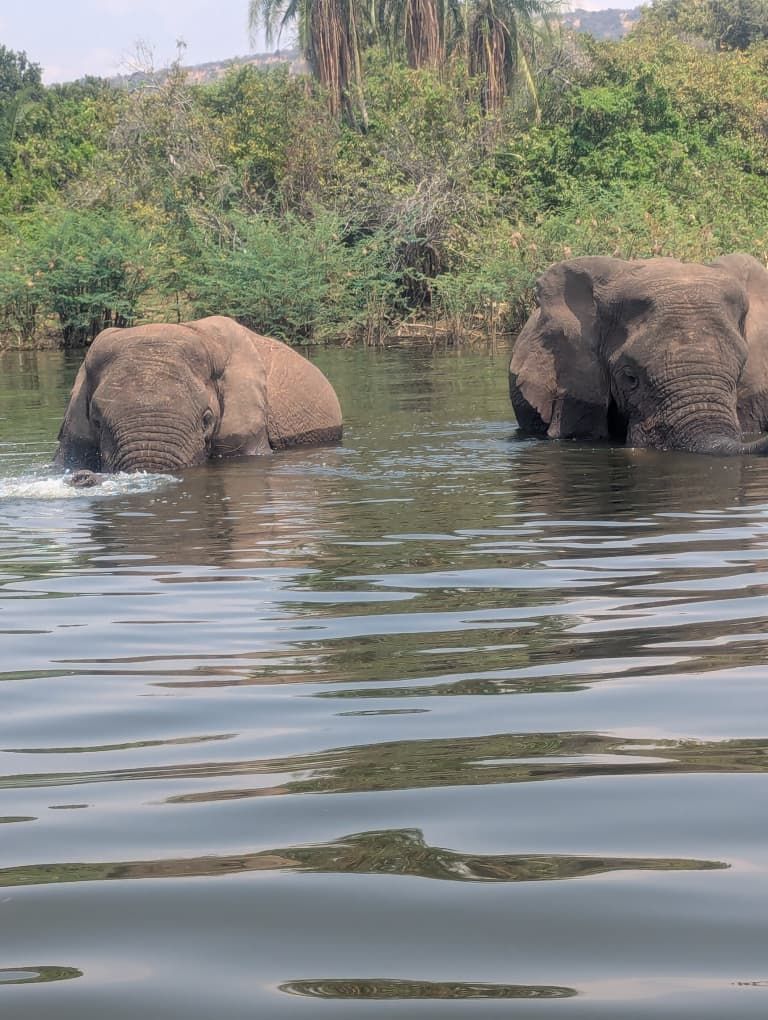
All boat safaris operate on Lake Ihema in the southern section — Rwanda’s second largest lake, its eastern shore forming the border with Tanzania. It has one of the highest concentrations of hippos in East Africa. On the water: hippos surfacing close to the boat, crocodiles on the banks, African fish eagles calling from the shoreline, and an elephant coming down to drink. What a game drive cannot give you — the angle, the stillness, the birds in the reeds — the boat does.
Four departures daily — 07:30, 09:00, 15:00 and 16:30. Each trip runs for one hour. The 16:30 sunset departure runs 90 minutes.
This is the most popular optional activity for overnight guests. Early booking is recommended.
If you are on a day visit, the 09:00 departure is your only realistic option. It finishes at 10:00, leaving the rest of the day to reach the northern Kilala Plains. The 07:30 is for overnight guests only. The 15:00 means sacrificing the north entirely — not worth it if wildlife is your priority. The 16:30 is not available to day visitors: the park closes at 18:00, and there is not enough time to reach the exit after the trip ends.
If you are spending one night or more, the 16:30 sunset departure is the one to book first. Ninety minutes on the water as the light drops, the park quiets and the birds return to roost. The 09:00 is the second most booked, especially by visitors on a day safari from Kigali.
Boat Trips in Akagera National Park
Night Safari
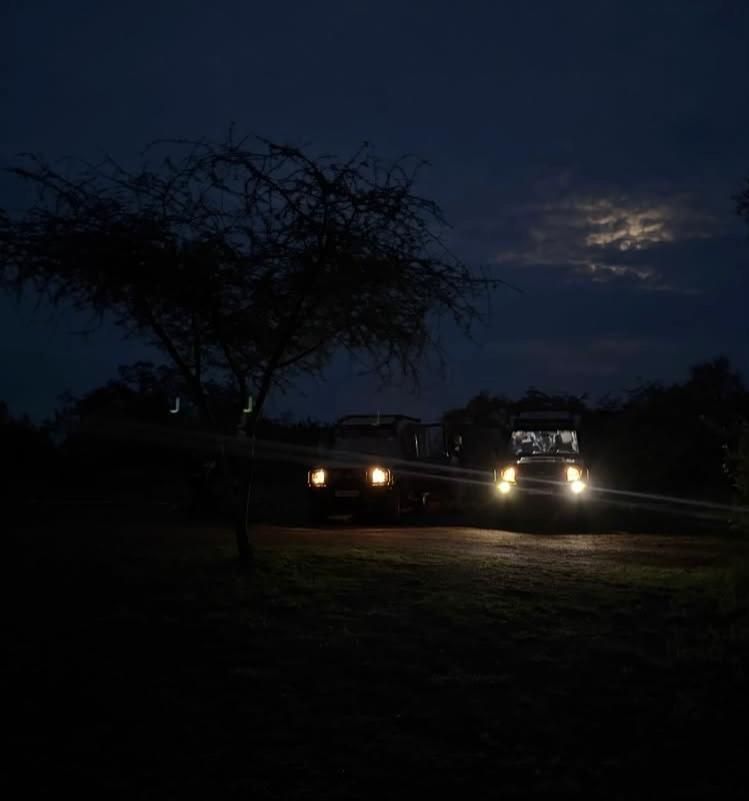
The night safari is not available to day visitors. Akagera National Park closes at 18:00, and both safaris depart at 17:30, returning by 20:00. You cannot be in the park at that hour unless you are sleeping inside it.
There are two. Where you sleep determines which one you do.
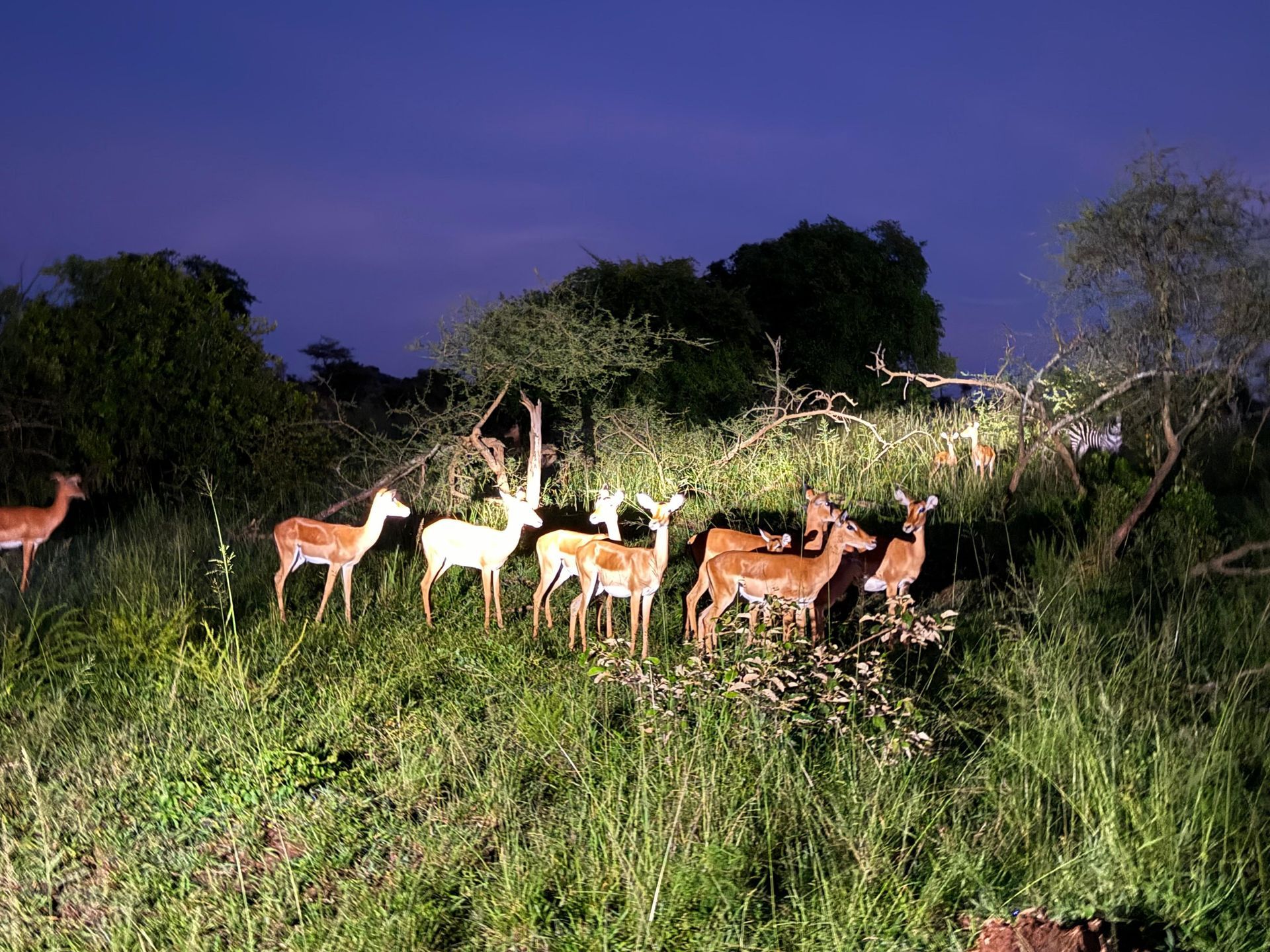
The southern night safari operates from Akagera Game Lodge and Ruzizi Tented Lodge. The vegetation is dense. Visibility is limited. Leopard is possible — there are 15 to 20 in the park, and they are nocturnal — but the thick cover works against you. Come for the small nocturnal animals, the sounds of the park after dark, and the experience of being in an open vehicle at night.
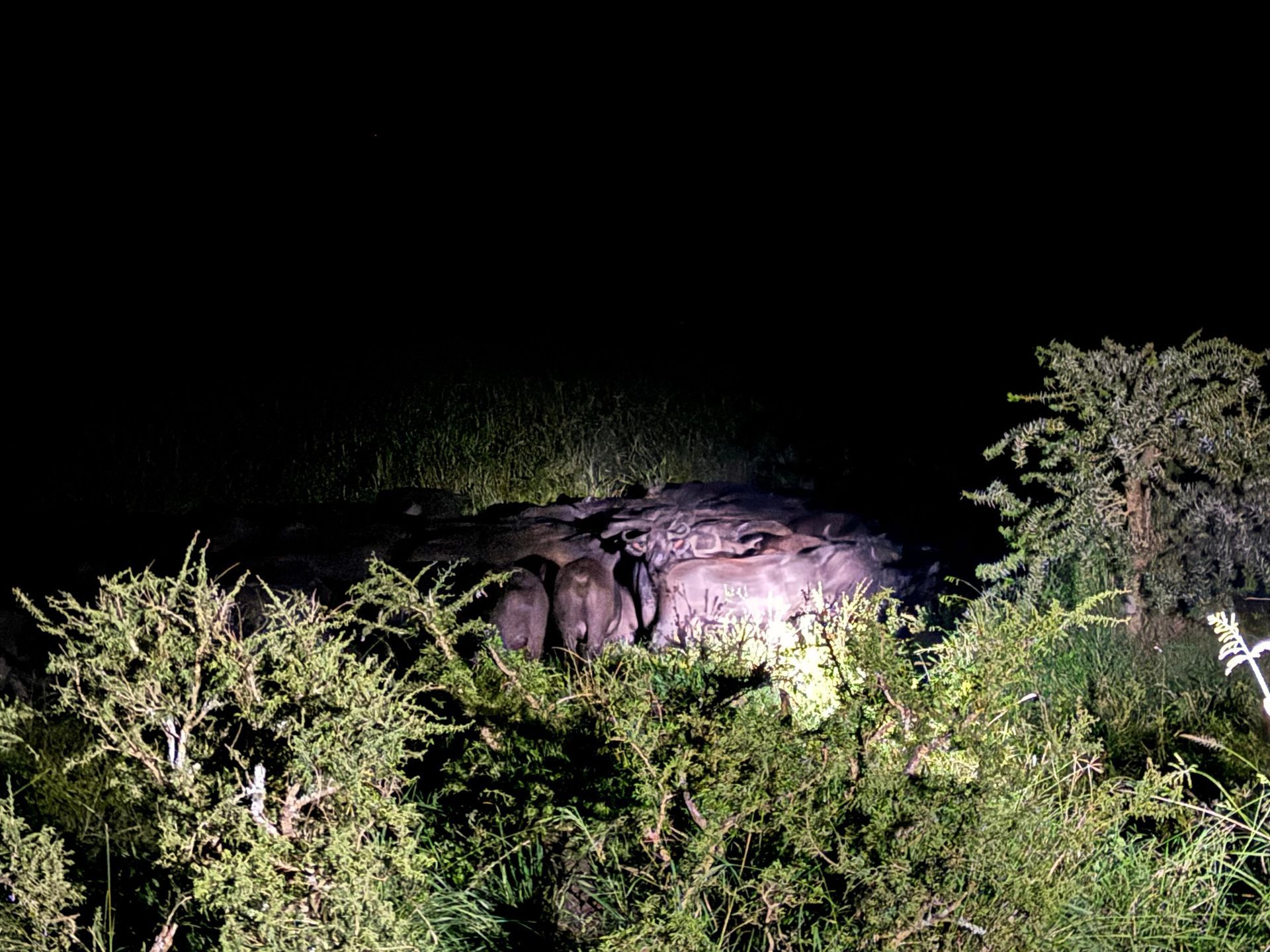
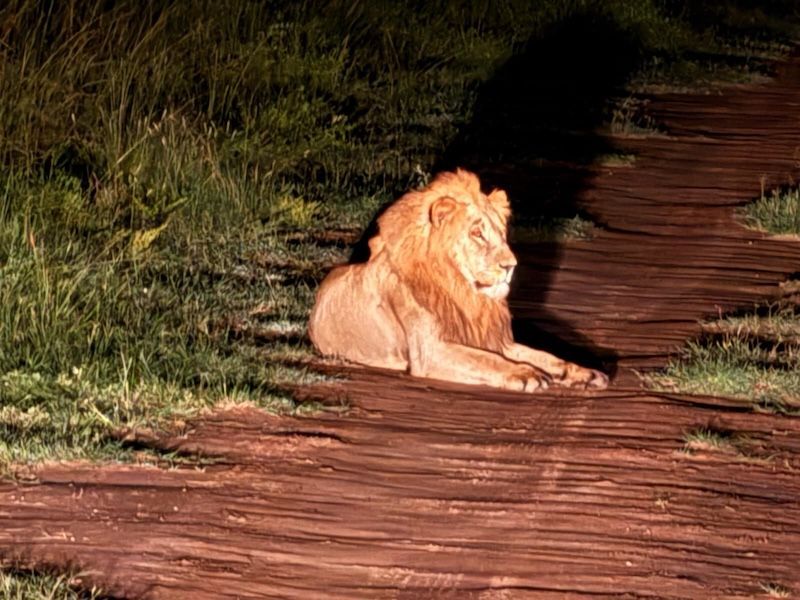
The northern night safari operates from Karenge Bush Camp on the Kilala Plains. Open savannah in every direction. The spotlight reaches across open ground with no obstruction — lions, rhinos, and elephants visible at a distance, the same way they are on a daytime drive. Lions are active on the plains after sunset. Elephants come out of the dark at close range. Your chances of a Big Five sighting are genuinely higher here than on a daytime game drive. If you have one night in the park and want the best wildlife experience it offers after dark, sleep at Karenge
Nights Safari in Akagera National Park.
Behind the Scenes and Walk the Line
Behind the Scenes takes you to the Akagera National Park's headquarters for 1.5 hours with three main stops. The conservation briefing tells you what was here, what was lost, and what it took to bring it back. The park does not sanitise this history. The canine anti-poaching unit runs a live demonstration of Belgian Malinois and German Shepherds trained to track human scent and locate poachers. Loud, fast, nothing like what you expect. The law enforcement office has a wall of 8,000 snares which you dont see as statistics on a board, but as the actual wire coiled and stacked. Each one was set to kill.
Walk the Line is a seven-kilometre walk along the electric boundary fence with a ranger, taking approximately two hours. The boundary area is predominantly shrubland — not game country. The walk covers the fence that ended the human-wildlife conflict in this park. Before it was built, lions killed cattle and were poisoned. Elephants raided crops. Poaching arrests exceeded 400 a year. After 2013, they dropped to 16. Find out more about the behind the scenes tour.
Hot Air Balloon
Royal Balloon Rwanda operates two balloons from Kayitaba Plain, only a five-minute drive from the south gate, the only terrain in the park flat enough for a safe launch. Two balloons, each with 4 to 6 passengers. Flights rise to 1,000 metres which is high enough to see the full park spread out below. Flights last one hour. Champagne and bush breakfast after landing.
Arrival at the launch site is 5:15am. Flights operate daily at sunrise.
Wet season months in Akagera National Park are February to May and October to November. The balloon does not operate during these periods. Outside these months, flights run daily, weather permitting. If a flight is cancelled due to weather, the full fee is refunded. Guests still in the park the following morning can attempt again.
Fishing
Sport fishing is available on Lake Shakani in the southern section. It is best suited for guests camping at Shakani campsite with is located right at the shores of the lake. Catch and release, though one fish may be kept for a meal. Booking made directly through the park in advance. The lake holds tilapia and catfish.
Cultural Visits
Communities surrounding Akagera National Park have been part of the park’s conservation model since African Parks took over management in 2010. Among them are the families of the Humure project — Rwandans who lived their entire lives in Tanzania before being expelled overnight by the Tanzanian government. They crossed the border with their cattle and settled as refugees in their own homeland. Humure, meaning "Take Heart" in Kinyarwanda, was built to provide them with a livelihood through tourism.
Cultural visits connect guests with these communities — cattle-farming demonstrations, traditional milk processing, banana beer-making, and beekeeping cooperatives that operate on the park boundary. Community guides from surrounding villages are available at the south gate reception.



